





Chumba Casino App Setup Before The First Login
Mobile play starts before the first game opens. A player should first create a clean account, confirm the email, check profile details, and understand which balances are visible. Canada users can access the platform where availability is supported and where adult-age rules, account conditions, and local requirements are followed, but features may still depend on the individual profile.
Imagine a new user opening the lobby from a phone during a break. The screen shows game tiles, coin balances, account messages, and promotional notes at once. The rushed move is to tap the first bright game; the careful move is to check the account area, read the labels, and decide how long the session should last.
A strong first routine is simple. Register with accurate details, confirm the inbox message, review safer-play tools, then test one low-pressure game. This creates a clean starting point and makes later support questions easier because the user already knows where account messages and activity records appear.
Chumba Casino Mobile Login Steps That Reduce Errors
The login process should be treated like account security, not just a doorway into games. Use a private device, avoid shared browsers, and do not save access details where another person can use them. If the device is borrowed, public, or unlocked, wait until you can use a safer environment.
Picture a player checking the platform on a friend’s phone. It may feel convenient, but the account could stay open after the session. The better choice is to use your own locked phone, log out after play, and keep recovery email access current.
Why Mobile Setup Matters For Canada Users
Canada players may see different account prompts depending on region, eligibility, timing, and profile status. That is why setup should not be rushed. A complete profile can help with messages, purchases, support contact, and later verification steps.
For example, one user may see a payment option immediately, while another may need to finish an account check first. That difference does not automatically mean a problem exists. The practical answer is to read what your own account shows and ask support a specific question if something is unclear.
Mobile Lobby Navigation For New Players
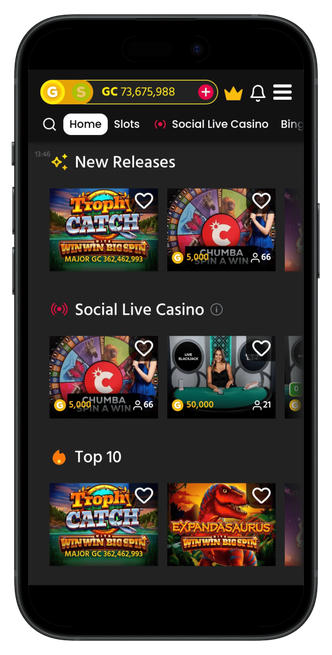
The lobby should be read like a control panel. First check balances, then messages, then game categories, then limits. If the first action is opening a game, the player may miss information that affects the session.
Imagine opening the platform after work and seeing several games promoted on the main screen. You want quick entertainment, but the smarter sequence is balance first, game second. That way, you know which coin type is being used before a round begins.
Mobile screens are smaller, so players should move more slowly than on desktop. Buttons sit close together, stake controls can be easy to miss, and pop-up messages may cover details. A careful user opens the rules section, checks the selected amount, and confirms the session limit before starting.
Choosing The First Game On A Phone
A first mobile game should be easy to understand. Slot-style titles are often simple because the main actions are direct, while slower card-style games may give more time between decisions. The right choice depends on attention, mood, and how much time the player has.
Suppose you have fifteen minutes before leaving home. A simple game with clear controls may fit better than exploring many categories. After a few rounds, check the balance and stop when the planned time ends.
Reading Game Rules On A Smaller Screen
Game rules matter more on mobile because details can be hidden behind compact menus. Before playing, open the rules or information section, check stake controls, and look for any automatic-play settings. Do not assume the default amount matches your plan.
A common situation is tapping quickly and realizing too late that the selected amount was higher than expected. One extra check before the first round prevents that mistake. Slow reading is not wasted time when money or promotional balances are involved.
Keeping Sessions Short Without Feeling Rushed
Short sessions work best when they are planned before play begins. Set a timer, choose one category, and decide what the final action will be: check records, close the game, and log out if needed. This gives the session a clean ending.
Imagine waiting for transport and opening the platform “just for a minute.” Without a timer, that minute can become twenty. With a timer, the session stays inside the original plan and does not follow you through the day.
Coins, Balances, And Payment Awareness
The platform may show different coin balances, and players should not assume that every balance has the same purpose. Some coins may be used for entertainment play, while promotional or redemption-related balances may follow separate conditions. The account display is the practical place to understand what applies at the moment.
Payment-related choices require slower attention than game choices. Before purchasing coins, check the amount, currency display, payment method, account name, and any messages. Use only a method that belongs to you and matches the profile information.
A sensible budget is set before the payment screen opens. It should not affect rent, food, bills, transport, savings, or planned travel. If losing the amount would create stress tomorrow, it is too high for entertainment today.
Mobile Area | What To Check | Practical Action |
|---|---|---|
Profile Panel | Name, region, email, and account status | Keep details accurate |
Balance Section | Coin labels and possible conditions | Read before playing |
Game Screen | Stake level, rules, and round controls | Confirm before the first round |
Payment Page | Amount, method, and ownership | Use your own method only |
Activity Records | Games, balance changes, and messages | Review before support contact |
Limit Tools | Time, budget, timeout, and access controls | Set before any purchase |
Security Settings | Device lock, logout, and recovery email | Protect access after sessions |
How To Check Balances Before Playing
A careful player checks the balance section before every session, not only during registration. Coin labels can explain which balance is used and what conditions may apply. Skipping this step often causes confusion after several rounds.
Imagine seeing two balances and assuming both move together. You play a game and only one number changes. The issue may not be a technical problem; it may simply be that the balances have different uses.
Payment Habits That Prevent Support Problems
The cleanest payment habit is consistency. The account name, payment method, and region details should match. Avoid borrowed cards, shared wallets, or methods that belong to someone else because they can create review delays.
For example, a player uses another person’s card for convenience, then later faces a verification request. That situation is avoidable. Use your own method, confirm the amount, and keep a record of important account messages.
Safer Mobile Play And Personal Limits
Mobile access is convenient, but convenience can make sessions too frequent. A phone is always nearby, so players should set stronger boundaries: session time, spending amount, and clear stop signals. Responsible play starts before the first round, not after frustration appears.
Think about a player who opens the platform during lunch, then again on the bus, then again before bed. Each session may seem small, but the pattern matters. If play becomes automatic, a timeout or notification adjustment can help restore control.
Warning signs are easy to recognize when you name them early. Chasing a previous result, increasing stakes after irritation, playing while tired, or reopening the lobby without a reason are all signals to stop. The best response is a break, not another deposit.
Using Timeout Tools On Mobile
Timeout tools are useful when play starts feeling automatic. They create distance from the account and remove the pressure to make another quick decision. Use them early, especially when the session no longer matches the plan.
Picture a late-night user trying to “fix” a disappointing result. That is not a calm entertainment decision. Opening the account controls and choosing a break is the stronger move.
Setting A Budget Before Adding Funds
A budget should be decided while the player is calm. Once a game has already created excitement or frustration, the mind starts inventing reasons to continue. A fixed amount prevents negotiation during the session.
A practical player chooses a weekly entertainment number and does not change it because of a near win. When the number is used, the session ends. This routine keeps payment decisions separate from emotion.
Recognizing When A Session Should End
A session should end when the timer rings, the budget is reached, or the player feels irritated. It should also end when the user starts switching games quickly in search of a different feeling. That pattern often means the plan has disappeared.
Imagine closing one game, opening another, then another, without checking the balance. That is the moment to stop and review activity. The goal is to keep control, not to keep searching for a better screen.
Security, Device Care, And Account Protection
Mobile account protection is mostly about habits. Keep the phone locked, avoid sharing the device during active sessions, and log out if anyone else may use it. Do not store payment details in a way that another person can access.
A player using public Wi-Fi should be careful with payment actions. Browsing a lobby is one thing; entering financial details on an unstable or public connection is another. When in doubt, wait until the connection and device are private.
Search mistakes can also create risk. Similar-looking pages, copied colors, and unusual login forms can confuse players who are moving quickly. If a screen feels unfamiliar, stop before entering credentials.
Avoiding Fake Or Confusing Login Screens
A fake or confusing screen may look close enough to feel familiar. The safest habit is to use a trusted access route and avoid typing credentials after random search results. Do not test a suspicious page just to see what happens.
Imagine seeing a login box with slightly different menus and a strange pop-up. Curiosity can create problems. Close the screen, return through your normal route, and protect the account.
Protecting Payment Details On A Phone
Payment details should not be treated like saved game settings. They connect to real financial information and deserve stronger caution. Use a personal method, check ownership, and avoid leaving payment screens open.
For example, a player hands a phone to a friend while a payment page is still visible. That is unnecessary risk. Finish the action, close the page, and lock the device before sharing the phone.
Support, Activity Records, And Mobile Issues
Support messages are easier to resolve when the player provides facts. Include the date, account area, game title or payment section, balance type, message shown, and what result was expected. A short clear note is more useful than an emotional complaint.
If a mobile game freezes, stop tapping. Wait for the screen to update, refresh once if needed, then check activity records. Repeated taps can make it harder to understand what happened.
Connection problems can also create confusion. A weak signal may delay balance updates or make a screen appear stuck. Before contacting support, check whether the issue happened during poor connection, then describe the situation clearly.
What To Do After A Frozen Game
A frozen game should trigger a pause, not panic. Stop interacting with the screen, wait briefly, then check whether the account updates. If the balance still looks wrong, collect the basic facts before writing to support.
Imagine a player tapping five more times because the screen did not respond. Later, they cannot tell which actions were accepted. Waiting first makes the record cleaner.
Writing A Clear Support Message
A clear support message follows a simple order: what happened, when it happened, where it happened, and what looked incorrect. Add only relevant details. Avoid sending repeated messages unless new information appears.
For example, write that a game froze at a certain time, the balance looked different afterward, and the activity record did not explain it. That gives support something to check. A message that only says “it is broken” gives very little.