





How Chumba Casino Canada Login Fits A Real Routine
Account entry looks simple on paper, yet real users approach it in very different ways. One player opens the platform from a laptop before work and wants a quick profile check. Another returns from a phone late at night, scans the balance area, reviews recent account movement, and closes the session within three minutes. The stronger the entry flow, the less energy those basic tasks consume.
That is why the first screen matters so much in 2026. Adult players in Canada expect direct access to the account area, visible recovery tools, readable fields, and a clear route toward support. They do not want an obstacle course. They want to enter, confirm the account state, and decide what comes next without guessing what every button means.
Picture a player on a lunch break. The goal is not a long session. The goal is a fast review: account status, recent activity, payment section, then out. When the entry path respects that pattern, the platform feels dependable right away. When it does not, irritation starts before the session has even begun.
Why Chumba Login Casino Feels Better With A Clear Order
The smoothest routine usually starts with the same sequence. Open the account area, check profile details, review recent records, then move toward the cashier or the main lobby only after those basics are settled. That order sounds small, though it changes the tone of the whole visit because it reduces rushed decisions.
Imagine someone returning after a few days away. Instead of jumping straight into the busy parts of the platform, that person checks what changed, confirms the profile is still current, and makes the next choice from a calmer position. Good account access supports that discipline rather than pushing noise in front of it.
Where Chumba Casino Log In Usually Gets Stuck
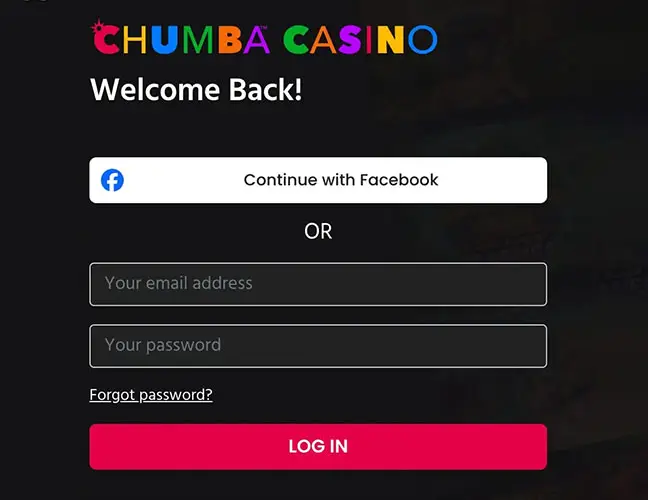
Most entry problems are not dramatic. They come from tiny points of friction. A recovery link sits too low on the page. A field label looks vague. The back route from the account screen disappears once the user enters the cashier. Small flaws pile up quickly, and a routine task starts to feel heavier than it should.
Mobile screens amplify every weak choice. A desktop user can sometimes tolerate clutter for a minute or two. A phone user rarely will. Picture a commuter checking the account between stops. Large banners, crowded menus, and buried support tools waste the one thing that user does not have - patience.
The same thing happens with session continuity. A player opens the platform in the morning, returns at lunch, and checks again in the evening. Three short visits create confusion when the account area does not clearly show recent activity, current status, and the fastest route to the next tool. The interface should reconnect the user with the session immediately.
The fix is rarely complicated. Clear labels, consistent menus, visible recovery options, and a stable route back to the account page solve more problems than flashy design ever will.
Account Area | What To Review First | Why It Matters |
|---|---|---|
Profile Settings | Contact details and preferences | Keeps the account current and easier to manage |
Activity History | Most recent entries and session notes | Adds context before any next step |
Cashier Section | Available methods and current status | Reduces rushed money decisions |
Help Options | Fast route to assistance | Saves time when something looks unclear |
Session Controls | Pause tools and time checks | Supports steadier account use |
How To Fix Login Chumba Casino Friction Fast
A simple personal routine removes a lot of friction before support is ever needed. Start with the profile, move to recent account records, confirm what changed since the last visit, then open the next section with purpose. Picture a player using the platform after a long workday. A short, repeatable order keeps tired decisions from turning a basic account check into an annoying detour.
Reading The Chumba Casino | Login Screen Before You Tap
The smartest users read the page before acting on it. Not for long. Just enough to understand where the entry fields sit, where recovery lives, how the menu is structured, and whether the account page or cashier will open next. That two-second pause often prevents the clumsy loop of entering the platform, missing the right tool, backing out, and searching again.
A good entry screen answers four questions without effort. Where does account access begin. Where does help sit. Where can the user review account records. Where is the route back out. Anything that hides those answers increases noise and cuts confidence.
Picture someone opening the platform from a sofa while watching television. Attention is split. In that environment, the interface must do more of the work. Labels need to be plain, paths need to be short, and the next action needs to look obvious from the first glance.
Why Play Chumba Login Works Better On Short Visits
Short visits reveal the truth about the account flow. Long sessions sometimes hide weak structure because users slowly adapt. A five-minute visit does the opposite. Every extra tap feels unnecessary. Every vague menu choice becomes visible. Imagine a player checking the account during a break between errands. Strong structure gets that person in, informed, and out with no wasted movement.
A short visit also encourages better self-control. The player sees the current account state, checks the record list, and decides whether the session deserves more time. That pause is useful. It turns access into a decision point rather than a blind continuation of momentum from earlier in the day.
Using Chumba Casino Login My Account For Smarter Session Control
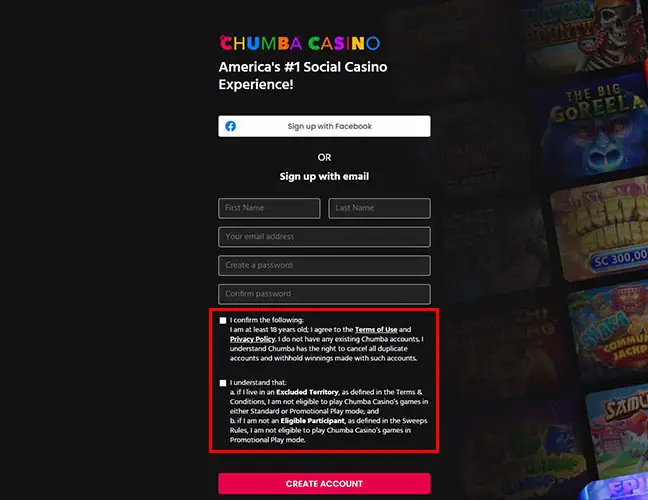
The account page is the real control room. Most practical decisions begin there. Balance checks, profile edits, support access, cashier movement, and session review all pass through that area, so its structure matters more than decorative parts of the platform.
The best use of the account page starts with observation, not action. Review what changed. Check whether recent entries make sense. Confirm that the current session still fits the player’s plan for the day. A player opening the platform after dinner might notice right away that the account already saw enough activity earlier, and that awareness changes the next decision.
Then comes profile hygiene. That means confirming contact details, checking preferences, and making sure nothing important looks outdated. It is not glamorous. It is useful. Clean account details reduce confusion later, especially when support or cashier questions appear.
Session control also improves when the account page keeps exit tools visible. Logging out should never feel hidden. A platform that respects the player makes departure just as easy as entry, and that matters more than people admit.
Picture a user who opens the account with no clear plan, drifts through a few sections, then realizes the session has become aimless. A visible route back to the account page, plus obvious pause tools, can reset the rhythm immediately. That is what mature design looks like - not louder screens, but better control.
Mobile Rhythm, Cashier Steps, And Daily Use
Mobile access is no longer a side route. For many adult users in Canada, it is the default way the platform gets opened. That changes everything about behavior because the account is no longer visited in one long sitting. It is checked in fragments - before work, on transit, during lunch, then again at home.
That fragmented pattern means the platform has to reconnect the player with the account state very quickly. A returning user should see where things stand without digging through several menus. Recent movement, account status, help access, and the next logical step should all be easy to spot. Picture a player opening the platform for ninety seconds outside a grocery store. The page has to work within that narrow slice of time.
Cashier use follows the same rule. Players do not need exaggerated promises. They need readable labels, clear method selection, visible status information, and a stable route back to the main account page. The cashier feels trustworthy when it behaves like a practical tool rather than a maze.
Another overlooked detail is session continuity across devices. A person may check the account on a laptop in the morning and from a phone in the evening. That shift should not create a new learning process. Menu logic, profile paths, and support access should feel familiar wherever the platform gets opened.
And the rhythm of mobile use should support pauses, not just action. Sometimes the player opens the platform, scans the account, and decides that this is not the right moment to continue. A well-built mobile experience treats that choice as normal. Quick exits, visible limits, and readable account summaries all support it.
Support Routes, Limits, And Better Exit Habits
Support becomes most important in ordinary moments, not dramatic ones. A player sees a detail that looks unfamiliar, wonders whether a setting has changed, or wants clarification about the next account step. That kind of question should not require a long search across the platform.
The strongest support routes stay close to the profile area and the cashier. That placement respects real behavior. A player checking recent account movement may need help right there. The same goes for someone reviewing payment options. Picture a late-night visit from a phone. A visible help route can save several minutes of unnecessary backtracking.
Limits matter for the same reason. They work best when they sit near the account controls, where the user is already making decisions about time, activity, and next steps. A pause tool hidden deep in a menu is less useful than one placed where hesitation actually happens.
Better exit habits also deserve attention. Too many platforms focus on getting users in and say almost nothing about getting them out cleanly. Yet a good session often ends with a simple close, a short review of account status, and a deliberate log out. That routine keeps the next visit clearer and less impulsive.
Imagine a player checking the account after a busy day. The energy is low. Focus is weaker than usual. In that moment, the platform should help the player leave with dignity, not trap attention through clutter. Clean exits are not a bonus. They are part of responsible account design.
Public Opinions, Trust Signals, And Realistic Expectations
External comments can help, though they work best as a starting point rather than a final verdict. A player reading public opinions about account access, support tone, or general usability may pick up helpful patterns, but no outside remark can replace direct testing of the actual account flow.
The useful question is simple: do outside impressions match the everyday path inside the platform. Open the account area. Review the menu logic. Check how easy it is to find support, the profile section, recent records, and the cashier. That hands-on comparison says more than a dramatic review ever could.
Picture someone arriving with mixed expectations after scanning a few comment threads. The smartest move is not blind trust and not automatic suspicion. It is practical testing. Does the account screen reduce noise. Does the player know where to go next. Does the platform support calm decisions across short and long visits. Those answers matter.