





Why Chumba Casino No Deposit Bonus Draws Attention
The phrase sounds easy. Free access, quick fun, no pressure. Real play is less dramatic and more procedural. A player still needs to understand how the account opens, how promotional rewards appear, what the time limits look like, and where the balance sits after the first few rounds. That early clarity matters more than the headline.
Picture a person opening the platform after work on a phone. The lobby is bright, the featured section looks busy, and the first package is only one tap away. The better move is not speed. It is reading the first offer screen, finding the cashier, and checking whether the reward is automatic or tied to a separate step.
For users in Canada, that calm start helps keep the platform in the right place - entertainment, not impulse. Once a player knows how the first screen works, later sessions stop feeling random.
How Chumba Casino No Deposit Bonus Code Language Works
Offer wording often feels bigger than the actual path. A line may suggest instant value, while the practical version can involve registration, account confirmation, or a limited activation window. That is not strange. It just means the headline should never be read by itself.
If you create an account during a short break, the first useful habit is simple: read the main line, read the smaller terms, then check whether a code field even exists. That one minute saves a lot of confusion later.
When Chumba Casino No Deposit Bonus Makes Sense
A starting promotion works best when it supports a calm first visit, not when it becomes the whole reason for the visit. The real goal of a first session is to learn the lobby, find the settings, spot the help area, and understand what kind of entertainment flow the platform is built around.
Imagine a player who lands on the homepage and instantly hunts for the brightest banner. Compare that with someone who checks the profile area, the package page, and one game category first. The second player usually leaves with more control and less noise.
Account Setup Before Any Spending
Registration looks minor, yet it shapes everything that comes after it. A rushed sign-up with a half-used email or incomplete profile often turns into friction later, right when the player wants to check a reward, ask support for help, or sort out account access. Clean details make the whole experience smoother.
The stronger approach is ordinary. Use an email you actually open. Confirm the account right away. Review your profile while your attention is still fresh. Then check whether the platform offers session reminders, cooling-off tools, or any simple controls that help keep play measured.
Suppose you promise yourself you will fix the boring details later. Most people do not. Later, one missing confirmation or one wrong field can slow everything down. Early setup is dull, but it prevents messy sessions.
Reading The First Lobby Screen Properly
The first screen tells you what the platform wants you to do. It may push featured titles, a package page, social-style rewards, or fast access to categories. A player who notices that layout immediately understands how the session is likely to flow.
If you open the platform on a crowded train, you do not need a grand strategy. Just scan the categories, note where help lives, and resist the urge to jump from screen to screen. Quick observation beats random tapping.

Payment Flow And Budget Control
Money management decides whether the session stays light or becomes irritating. The mistake is thinking small amounts do not matter. They do, especially when the cashier is clean, the package names are friendly, and the purchase feels like a tiny add-on.
A better rule is to choose the entertainment limit before opening the cashier. Not during the session. Before it. Then compare that number with the visible package options. If the options sit above your plan, close the page and move on. A skipped purchase is often the smartest purchase.
This gets more important when emotion enters the room. Say you open the package page after a few exciting rounds and you already feel keyed up. That is not the best moment to decide anything. Step away, wait a minute, then check whether the same amount still makes sense.
Session Step | What To Check | Why It Matters | Better Habit |
|---|---|---|---|
Before cashier | Your entertainment limit | Stops emotional spending | Decide on one cap first |
On package page | Time versus amount | Prevents overbuying | Match spend to session length |
After a purchase | Remaining plan | Keeps the session grounded | Recheck budget immediately |
Before exit | What you used today | Builds future control | Leave one short note |
Many players also miss the rhythm problem. Several tiny purchases spread across an evening can feel harmless, yet add up faster than one planned amount. Tracking the whole session, not each isolated tap, gives a more honest picture.
Why Small Taps Add Up Fast
One quick purchase rarely feels dramatic. The trouble comes when the player repeats the same action five times in an hour and stops seeing the total clearly. That pattern creates fog.
Usually the safer path is one decision, not many. Decide what the session is worth to you, stay there, and let the rest of the evening be simple.
Games, Pace, And What To Check First
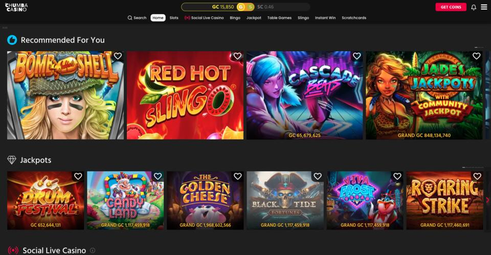
People often jump into the first bright title they see. That is normal, but not always smart. One game can feel calm and readable, while another feels loud, rushed, and oddly tiring within minutes. Theme, animation speed, bonus frequency, and reel layout all affect how long a person can stay comfortable.
The first check is tempo. Does the title move too fast? Does it throw effects at you after every small result? Can you understand the symbol set and feature triggers quickly, or does the whole thing feel like work? A player should never feel obliged to stay in a title that already feels confusing.
Imagine trying two different games during one evening. The first is clear and steady. The second is all noise and flashing prompts. The smart move is leaving the second one early instead of forcing yourself to adapt just because it was featured on the first screen.
Picking Titles That Match Your Mood
Late-night play and high-energy titles do not always mix well. Some users want colour and movement. Others want a cleaner screen and slower rhythm. That preference matters more than people admit because it shapes decision speed.
If your attention already feels thin, choose calmer titles. When the screen stops shouting, judgment usually improves.
Knowing When The Session Has Turned
A bad session does not always arrive with one obvious mistake. It sneaks in through small signs. You start reloading games without thinking. You revisit the cashier too often. You stop reading screens and begin reacting instead of choosing.
That is the point to leave. Not after one more round. Right there. Good exits are usually earlier than people expect.
Mobile Play And Daily Routine
Mobile access makes everything faster. You can open the platform while waiting for coffee, while sitting on the couch, or while killing ten spare minutes. That convenience is useful, but it also hides time. A session that was meant to be brief can quietly stretch because the phone keeps the platform within easy reach.
A better mobile habit is to open the platform with one purpose. Maybe you only want to check the lobby. Maybe you want a short entertainment break. Maybe you want to review a reward page. One reason is enough. Once that reason is done, close the app.
Think about the difference between focused play and background tapping. In a focused session, you know why you opened the platform. In a drifting session, the phone stays in your hand while you do three other things. The second version is where time and money slip past unnoticed.
Why Short Sessions Often Feel Better
Short sessions keep the experience from becoming heavy. They also make it easier to notice mood changes before those moods start making decisions for you. Ten calm minutes can be far more enjoyable than forty distracted ones.
A timer helps. So does a clear stopping point such as one category visit, one title, or one pre-set time block. Small rules are not glamorous, but they work.
Support, Verification, And Staying In Control
The help area matters more than most people think. A platform feels easier to trust when the support route is easy to find and the categories make sense. You want to know where account questions go, where payment questions go, and how to ask for help without wandering through menus.
Verification or extra account review can also appear at awkward times. That does not automatically signal trouble. Often it just means the platform needs the account details and activity to line up clearly. The practical response is calm and tidy: read the request, prepare the needed information, and answer exactly what was asked.
If a player waits until a problem feels urgent, support becomes stressful. If the player checks the help area before anything goes wrong, the whole platform starts feeling easier to handle. That small difference changes the tone of future sessions.
Writing A Useful Support Message
A lot of users send emotional messages that explain nothing. That wastes time. Clear messages work better. State what happened, when it happened, what screen you were on, and what you expected to see.
Short facts beat long frustration. In most account problems, clarity is the quickest kind of progress.
Building A Long-Term Chumba Routine
A starting reward only matters when the rest of the habit is stable. The stronger long-term approach is not constant chasing. It is routine. You know when you play, how long you stay, what amount belongs to entertainment, and what signals tell you it is time to stop.
For an adult user in Canada, that routine can be very plain. One budget. One time window. A small note after each session. No trying to turn every login into an event. No treating the platform like it owes you a comeback round. That is how the experience stays proportionate.
Suppose you finish work, eat, and have half an hour free. You can spend ten minutes checking the offer area and the lobby, fifteen minutes in one or two titles, and the last few minutes logging off cleanly. That is not boring. It is sustainable.
The opposite pattern is familiar too. No plan, too many tabs, a quick return to the cashier, then a frustrated exit. Same platform. Different structure. The difference is not luck. It is preparation.
How Chumba Casino No Deposit Bonus Changes In Value Over Time
At the beginning, a player focuses on the idea of getting something extra. Later, the smarter question becomes whether that extra actually improves the session. Not every promotion deserves action. Some only add noise.
Once you already have a routine, reward language becomes easier to judge. You compare it with your time, your budget, and your mood. If it fits, fine. If it does not, skip it and move on.