





How Chumba Casino Withdrawal Time Actually Changes
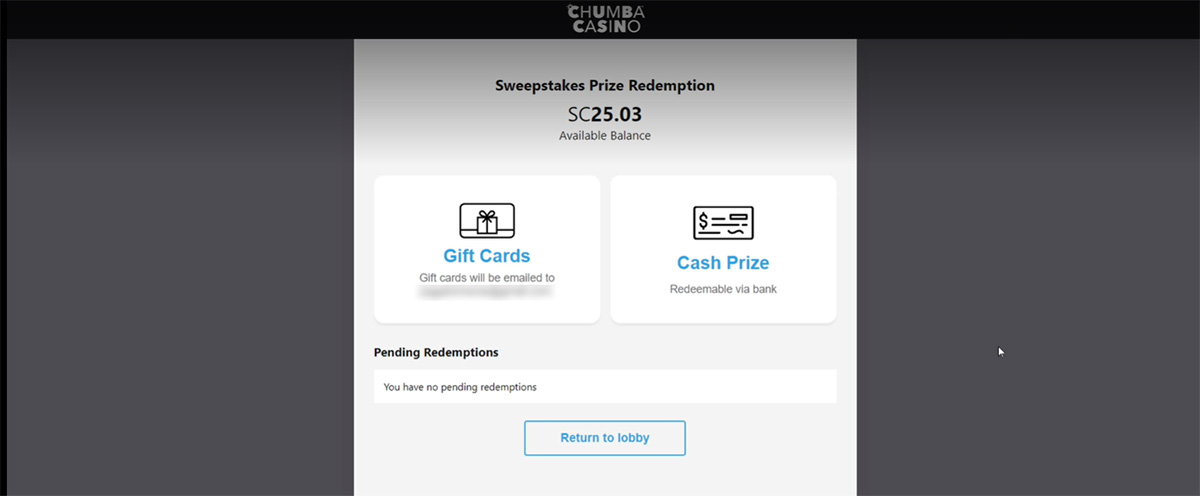
People love a single number. Payouts do not work like that. A redemption request moves through stages, and each stage has its own rhythm. First the request lands in the system. Then review starts. Then release happens. After that, the receiving side finishes its part. The whole thing feels much less mysterious once you stop treating it like one timer with one answer.
A common mistake starts with the word "pending." Players see it, get nervous, and assume the process stopped. Most of the time the request is simply sitting in the normal flow, waiting for review or waiting for a confirmation step already sent to the inbox. That difference matters. Calm players check the right place first. Rushed players create a second problem on top of the first one.
Late-night requests often feel slower for emotional reasons, not technical ones. You submit in Toronto, check again twenty minutes later, see no visible movement, and the mind starts filling the silence with bad ideas. The useful move is plain: save the confirmation, review the account email, confirm the details are steady, then leave the request alone long enough to move through its natural path.
What The Review Stage Usually Feels Like
The review stage is quiet. That is why it bothers people. There is rarely a dramatic animation or a satisfying progress bar. The account simply holds the request while the usual checks happen in the background.
A player in Montreal can place a redemption request before dinner, open the history page after dessert, and still see the same wording. That does not automatically point to a problem. It points to a stage. The clean habit is to read the status wording carefully, not emotionally, and avoid canceling something that already has a place in the queue.
Why The Final Posting Step Still Matters
Even after the platform side finishes, the receiving side still needs to post the funds. That last stretch is where people lose patience. They read "processed" and expect the money to appear instantly in their financial account. Real life tends to be less theatrical.
A player in Vancouver can see the request move forward inside the casino account and still wait for the receiving side to finish its own part. That final step often feels invisible, which is exactly why it frustrates people. The smartest response is boring: wait, recheck later, and avoid inventing a crisis.
Chumba Credit Card Deposits Without Confusion
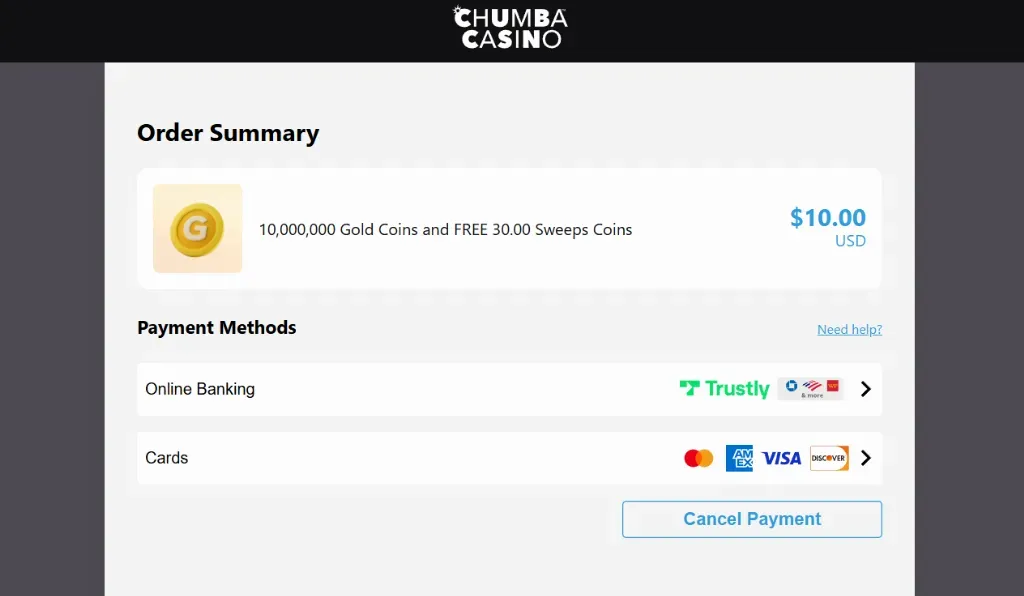
Bank cards remain popular because they feel normal. The player already knows the card, the bank already knows the player, and the payment action looks familiar. That comfort helps, but it also creates sloppy habits. Familiar does not mean risk-free. Familiar just means the mistakes arrive faster when you stop paying attention.
The cleanest deposit starts before the cashier opens. Pick the amount first. Decide whether the session actually deserves a deposit. Check the connection. Then enter the number once and read the screen before you confirm it. That short sequence sounds almost childish in its simplicity, yet it prevents the most common mobile mess: repeated taps created by hurry.
A player in Calgary standing outside after work can rush the whole step in under thirty seconds. The page reloads, the bank app throws an approval prompt, the player never notices, and the same button gets tapped again. Suddenly the situation feels unclear. The better order is slower and better: deal with the banking prompt first, return to the payment page, then review what posted before doing anything else.
Deposit Step | Best Habit | What It Prevents |
|---|---|---|
Enter amount | Decide before opening cashier | Mood-based funding |
Confirm bank prompt | Open banking app first | Stacked pending attempts |
Review result | Check history before retry | Duplicate deposits |
Use one route | Keep the same method for a stretch | Mixed payment confusion |
End the step | Close cashier after success | Accidental second actions |
Why Chumba Credit Card Prompts Interrupt The Flow
Bank prompts feel annoying because they break the rhythm. That interruption is useful. It forces one last look before the payment goes through. Trouble starts when the player treats the interruption like a glitch instead of a required step.
A player in Ottawa can watch the casino page sit still for a second and assume the tap failed, while the bank app is already waiting quietly for approval. That is the moment that creates duplicates. One approval, one return, one review. Nothing more is needed.
Saved Card Details And False Confidence
Saved card details make deposits faster. Speed is not always your friend. Once the card is stored, the player stops reading. The amount looks familiar. The method looks familiar. The screen feels routine. That is where attention drops.
A player in Winnipeg can top up almost automatically after a frustrating run simply because the route is already there. That ease is exactly why limits and routines matter. A saved method should remove typing, not remove thinking.
Registration And Identity Details Before Money Moves
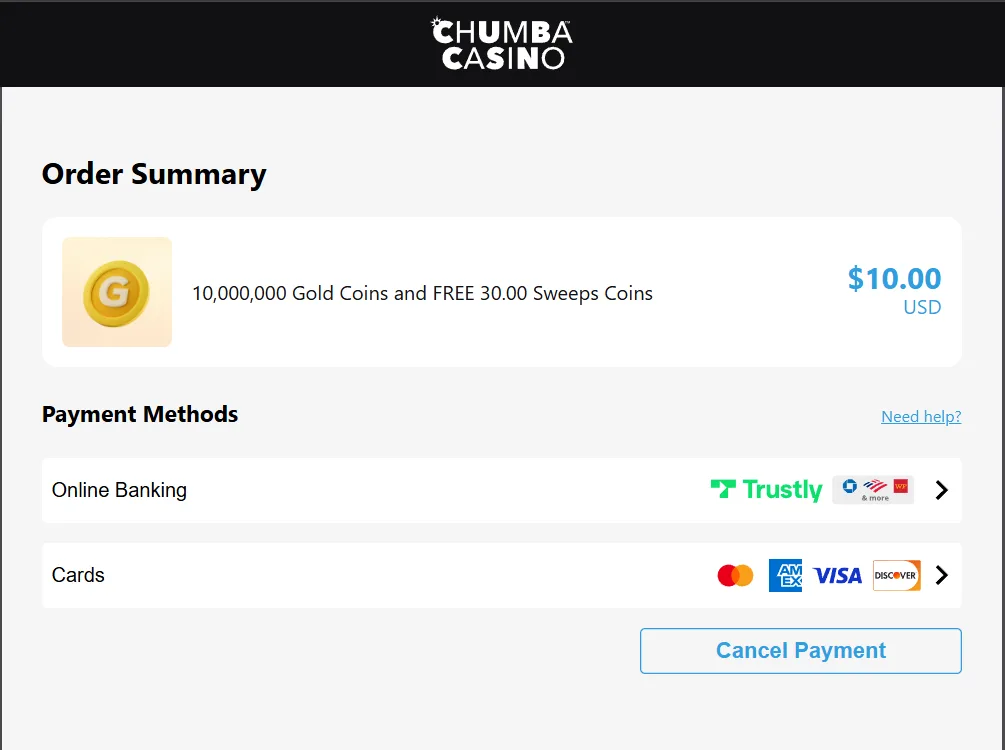
The smoothest redemption request is usually built days earlier during registration. Clean email. Correct name format. Consistent details. A player who takes those first steps seriously tends to have a calmer time later, because the account already makes sense when the platform needs to check it.
Rushed setup creates long shadows. A typo in the email address. A nickname in one field and a legal name in another. A profile edit made in a hurry right before a request. None of these mistakes looks dramatic at the time. Together they create friction that feels avoidable because it usually is.
Document quality deserves the same treatment. Flat surface. Good light. Full edges visible. Clear image. That is not overkill. That is just faster. A player in Quebec City can upload one clean image in three quiet minutes or spend a full evening repeating the same task with glare across the document and half the corners cut off.
Inbox discipline matters too. Security prompts, identity messages, and follow-up notices all land there. Players who never check spam or promotions often sit on the cashier screen refreshing status while the real next step is waiting in a folder they forgot existed.
One more point gets ignored constantly: last-minute profile changes. Changing personal details right before requesting a payout is not bold, smart, or efficient. It simply adds another layer to the review path. Clean accounts move better because they look settled.
Mobile Cashier Habits That Keep Things Clean
Phones speed everything up. That is great for browsing. It is less great for money actions. A small screen compresses information, compresses patience, and invites impatient tapping. The money side needs the opposite rhythm: slower hands, one active task, clear signal, no walking.
Good mobile habits look dull from the outside. Sit down. Use stable data. Keep the device charged. Let the screen finish loading. Then act. People skip these steps because they feel too simple to matter. They matter a lot. Many so-called platform issues start as mobile behavior issues.
A player in Edmonton riding home can try to complete a cashout request while the phone switches between weak Wi-Fi and data. The screen hesitates, the player touches again, then the history becomes harder to read. That whole chain disappears when the player waits for a steady moment instead of forcing a money step through unstable conditions.
One Screen One Task One Decision
Money actions work best when the screen is only doing one thing. No chats. No other tabs. No second device open on the same account. One screen. One task. One decision.
A player in Halifax who keeps the account open on a laptop and a phone at the same time can create odd session behavior that feels random. Sign-outs, reloads, repeated prompts - none of it looks elegant. One active session reduces that noise immediately.
The Best Moment To Stop Touching The Cashier
The best moment to stop touching the cashier is right after a clear confirmation appears. Not after one more check. Not after one more refresh. Once the step is recorded, the next useful action is distance.
A player in Mississauga can confirm a request, screenshot it once, then close the cashier and step away. That tiny decision removes a huge amount of pointless follow-up clicking.
Support Messages That Actually Help
Support works better when the player writes like a person who knows what happened. Time. Amount. Method. Status. One screenshot. That is enough to start. Long emotional messages feel satisfying for ten seconds, then waste time because the important facts are buried under stress.
A player in Surrey who sends one clean ticket gives support a real place to begin. A player who opens chat, sends an email, then opens another ticket from another device creates noise, not urgency. One thread is easier to follow, easier to escalate, and easier to solve.
The message should also reflect what was already checked. Email reviewed. History reviewed. Current status confirmed. Those details tell support that the player has already done the obvious basics and needs a real answer, not a scripted first step.
What A Useful First Message Looks Like
Short and factual wins. "Request made at this time. Amount was this. Method was this. Current status says this. Screenshot attached." That structure helps because it removes guesswork.
A player in Hamilton who writes that way gets closer to an answer than a player who sends five paragraphs of frustration and leaves out the actual amount. Precision is not cold. It is efficient.
Limits Timing And Walking Away Before A Second Deposit
A clean deposit is the one planned before the session begins. Not the one made out of boredom, irritation, or the feeling that "one more try" will suddenly change the whole arc of the evening. Card funding feels ordinary, so the player must add a little friction back in through routine.
The sequence should stay simple: budget first, session length first, then game choice. That order matters because once the lobby is open and the screen is moving, discipline gets weaker. The card is saved. The cashier is one tap away. The brain starts arguing for convenience instead of control.
A player in Saskatoon who opens the platform after a tiring day can slip into automatic behavior fast. The session drifts. The game becomes annoying. The saved card turns another deposit into an easy little decision. That is exactly where a pause rule earns its keep. Five quiet minutes away from the phone does more good than one more impulsive payment.
Spending caps help because they move the decision earlier in time. The player decides when calm, not when annoyed. Time limits help for the same reason. A session with an end point is easier to respect than one built on mood.
And walking away is not dramatic. It is practical. Nothing magical happens because a player stayed for twelve more irritated minutes. Usually the best move is the simplest one: close the app, leave the room, come back later with a clear head or not at all.